


Lorry Park Proposal will have huge effect on wildlife
The white cliffs country plays host to a myriad of wildlife and habitats, including native and migrating birds
Key Bird Species of the White Cliffs of Dover:
Birds of Prey: Peregrine falcon, Kestrel, Sparrowhawk, and Red kite.
Cliff-Nesting & Sea Birds: Northern Fulmar, Herring gulls, and Black-legged kittiwake.
Grassland & Scrub Birds: Skylark, Linnet, Whitethroat, Lesser whitethroat, and Corn bunting.
Other Notable Species: Ravens.
The White Cliffs of Dover are a vital habitat for coastal birds and raptors, hosting species like Peregrine falcons, Ravens, Fulmars, and Herring gulls. The chalk grasslands above, where the proposed lorry is planned, support Skylarks, Linnets, and Whitethroats, and despite the famous song, "...bluebirds over the white cliffs of Dover...." (swallows/martins) are actually migratory visitors.
This habitat and the birds that visit are under threat from a huge 70 acre industrialised lorry park infrastructure project. This will create unprecedented noise, air pollution and light pollution that has never been seen before on this chalk down landscape in the protected Kent Downs National Landscape, in the beautiful White Cliffs Country.

Among some of the most spectacular birds are the Peregrine Falcons and other hawks inc sparrowhawks, kestrels and red kites.
These and other birds will be affected by the night light pollution that will be visible for tens of miles in all directions.
Night-time lighting at the Port of Dover and Channel Tunnel causes significant disruption to bird life by creating light pollution that disorients migratory species and seabirds. Intense, constant illumination causes birds to become trapped, collide with infrastructure, or veer off-course, leading to exhaustion, increased predation, and higher mortality rates.
Key Impacts on Bird Life:
Disorientation and Attraction (Phototaxis): Bright lights, especially during cloudy conditions, disorient nocturnal migrants and seabirds (like petrels or shearwaters), drawing them toward the lights and away from migratory paths.
Collision Risks: Birds circling light-emitting structures can collide with cranes, ships, pylons, and terminal buildings, leading to injury or death.
Reduced Flight Altitude: Coastal migrants and sea-crossing birds have been recorded flying over 50 meters lower over lit coastal areas, increasing the risk of striking structures.
Increased Energy Expenditure: Birds may spend hours circling lights, expending precious energy reserves necessary for migration.
Disruption of Daily Rhythms: Artificial light affects sleep patterns and foraging behaviour, causing birds to hunt, feed, or rest at inappropriate times.
The impact is often magnified for juvenile birds, which are more susceptible to being drawn toward artificial light sources.
The Folkestone Warren that runs between Dover and Folkestone is barely 750 metres from the proposed site as the crow flies, and represents a protected 782 acre biological and geological site of special scientific interest (SSSI). The developers of the lorry park, GSE , have already conceded that the proposed lorry park would be in the impact zone of the Folkestone Warren SSSI.
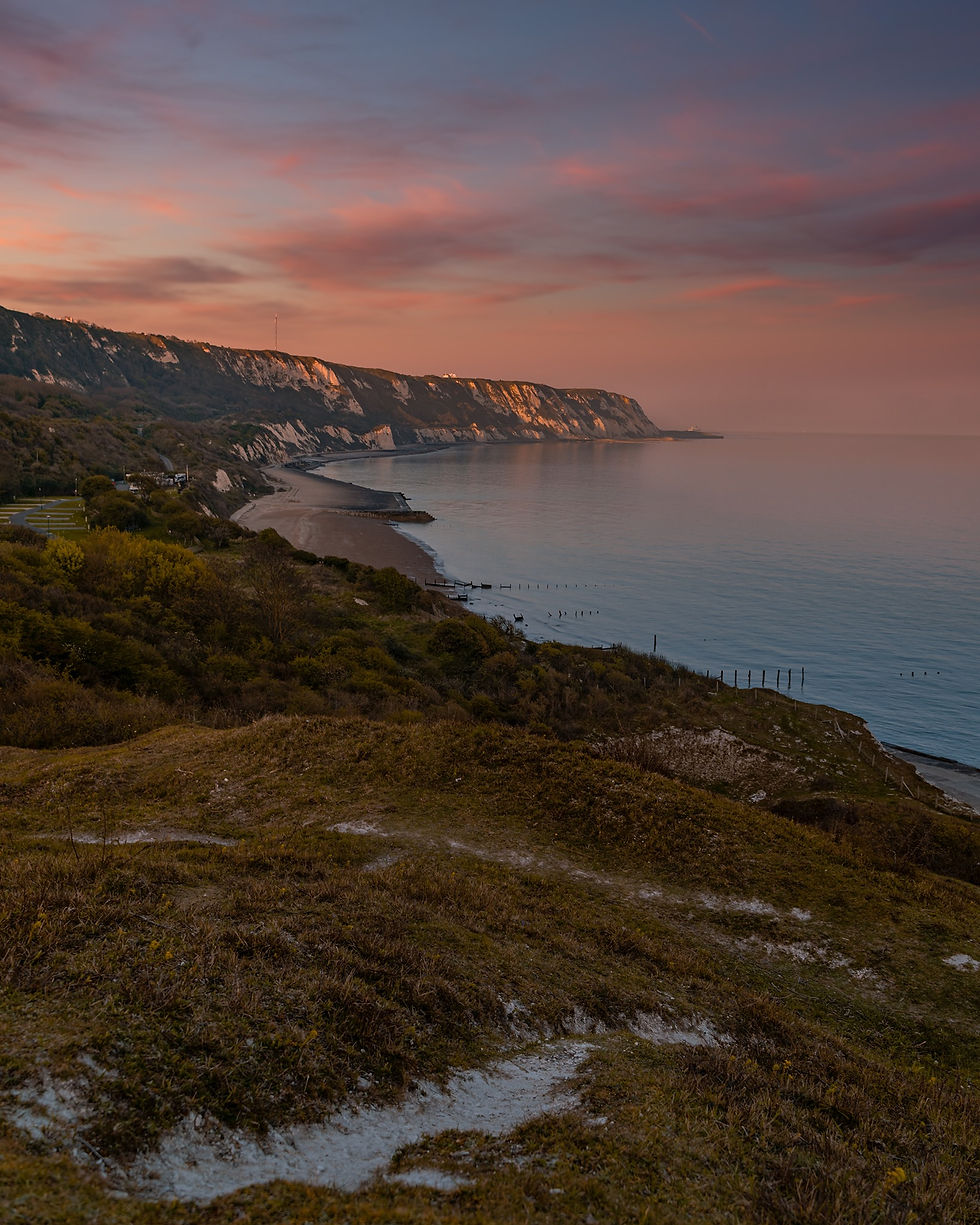
Key features that make the site unique include:
Active Geological Landslip: A rare combination of permeable chalk resting on impermeable wet clay creates a massive, ongoing landslip, which keeps the terrain dynamic and exposed.
"Type Section" Fossil Site: The Warren is internationally significant for its exposure of Gault Clay and Chalk, which are used to date sedimentary rock of similar ages around the world. It is a premier location for finding ammonites, fossils, and benthonic fauna.
Diverse Habitats & Biodiversity: The site supports a remarkable mix of habitats in a small area, including chalk grassland, scrub, ancient woodland, and rocky shorelines.
Rare Species Hub: The area is a haven for rare wildlife, including specialized bees, moths, and plant species that thrive in the warm, sheltered conditions.
Huge Infrastructure Projects like this need to be built in the most suitable and appropriate places. Not in highly sensitive wildlife habitats and so close to sites of special scientific interest.
Wildlife Matters
Just Say No to Court Wood HGV Lorry Park


Comments